
Pollution Exposure: What We’re Seeing
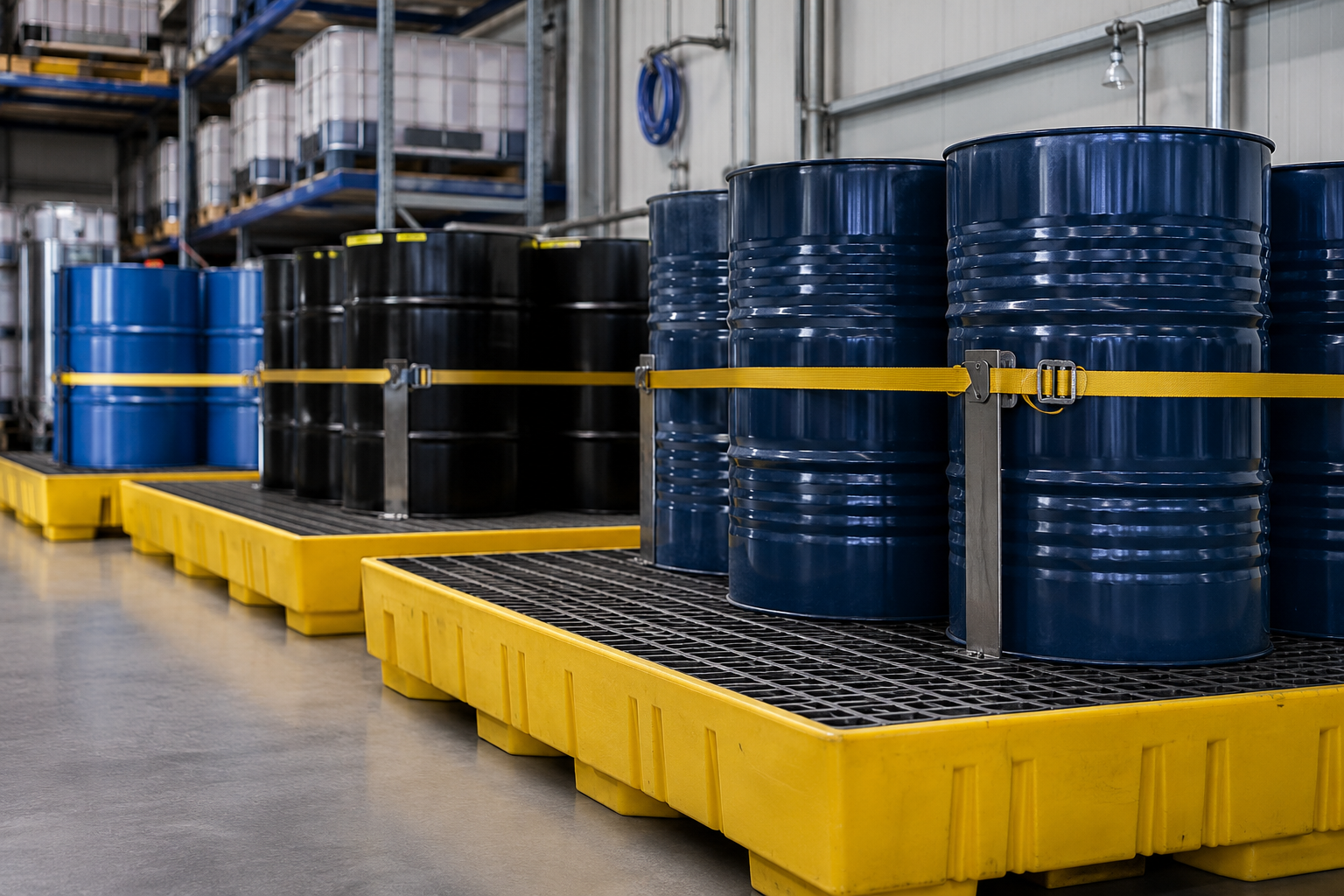
Pollution exposure is not limited to businesses handling obviously hazardous materials.
Contractors, manufacturers, property owners, and service businesses can all face environmental risks depending on their operations, locations, transportation activities, and waste-disposal practices.
A recent Business Insurance article emphasizes that successful pollution placements begin with identifying the client’s specific hazards and giving underwriters enough information to understand them. Clear operational details, loss history, geographic exposure, and incident-response planning can all help support a stronger coverage discussion.
Read More, by Gavin Souter
Submission Tip:
Start with the actual environmental exposure. A pollution submission is easier to assess when it clearly explains what the client does, what materials they handle, and where a release could occur. Contractors may have very different exposures depending on whether they perform excavation, demolition, plumbing, HVAC work, remediation, or waste removal.
It is also helpful to outline how materials are transported, stored, and disposed of, along with any formal spill-prevention or emergency-response procedures.
Our team is always happy to help identify what information may strengthen the submission before it goes to market.
Environmental Risk Brief
Pollution losses can be sudden, gradual, on-site, or discovered long after the work is complete.
An accidental fuel spill may be immediately visible, while mould, contaminated soil, leaking storage tanks, or improper waste disposal may not be discovered until months or years later. The resulting costs can include clean-up expenses, third-party property damage, bodily injury allegations, and legal defence.
These exposures are also not always fully addressed by a standard CGL policy. Understanding the client’s operations and potential sources of contamination is an important first step in determining whether dedicated pollution coverage should be considered.
Helpful details to include:
• Full description of operations and services
• Materials, chemicals, or waste handled
• Transportation and disposal practices
• Aboveground or underground storage tanks
• Spill-prevention and emergency-response procedures
• Subcontracted work
• Prior environmental incidents or claims
• Project locations and contract requirements
Need a Second Look?
Working on a contractor or business with a potential pollution exposure?
Send it our way.
Our team is happy to review the submission and help determine whether dedicated environmental coverage may be appropriate.